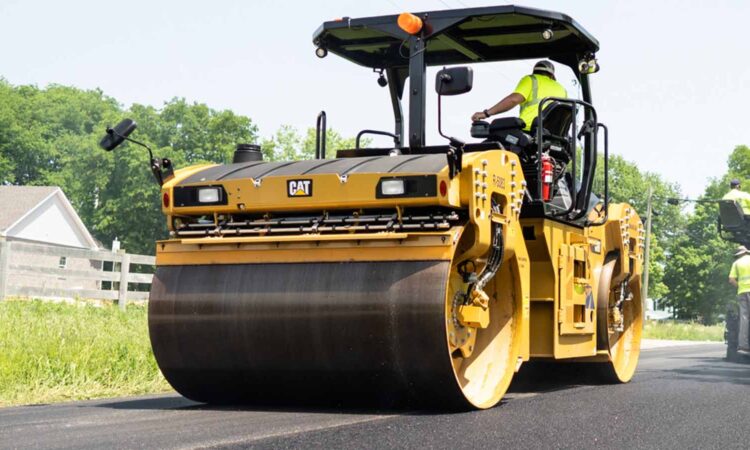
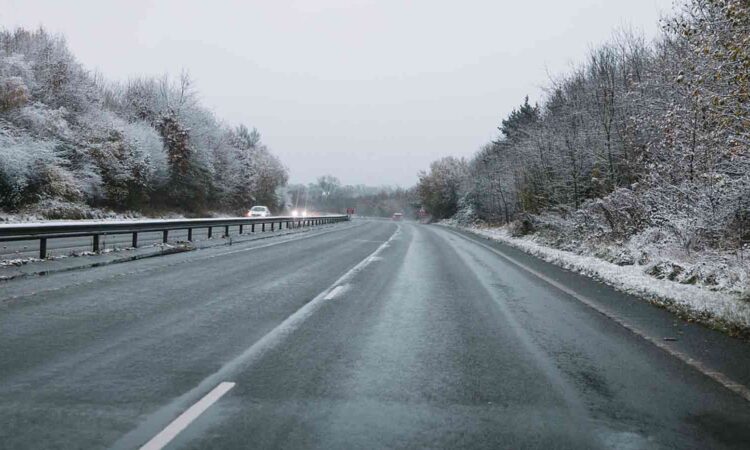
At Scotty’s Contracting & Stone, we quarry, crush, test, haul, and pave within one coordinated operation so your mixes stay consistent and your schedule stays protected.
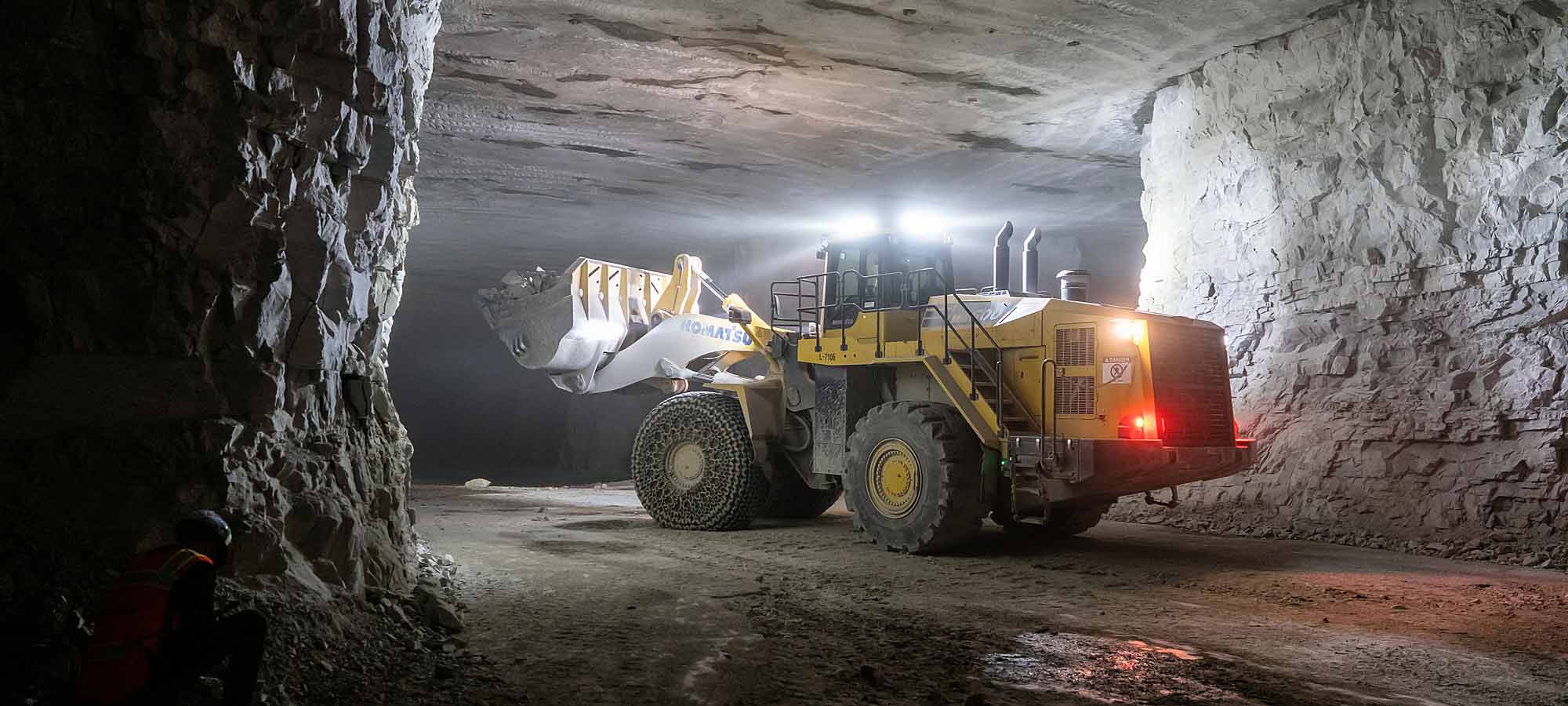
Great pavements start long before the first paver pulls onto your project. If you own or manage highways, streets, or large commercial sites, you feel the pain of ruts, roughness, and change orders when materials vary from load to load. The fastest way to curb that risk is to control the source. At Scotty’s Contracting & Stone, we quarry, crush, test, haul, and pave within one coordinated operation so your mixes stay consistent and your schedule stays protected.
Why aggregate quality shapes pavement life
Aggregates make up most of your asphalt or concrete by volume. When source rock, gradation, and cleanliness are controlled, your pavement compacts uniformly, resists rutting, and rides smoothly. When they are not, you see early wheel path depressions, flushing, or density variability that shortens life and inflates lifecycle cost.
Integrated supply lets us guarantee quality at every stage so you do not inherit variability from a distant or overbooked supplier.
What is quarrying and aggregate supply?
Quarrying is the process of locating, extracting, and processing natural rock to produce engineered aggregates. Our workflow is straightforward and proven.
That closed loop turns quarry output into dependable base stone and asphalt aggregates with fewer surprises in compaction and yield.
Inside Scotty’s integrated pipeline, from shot rock to smooth ride
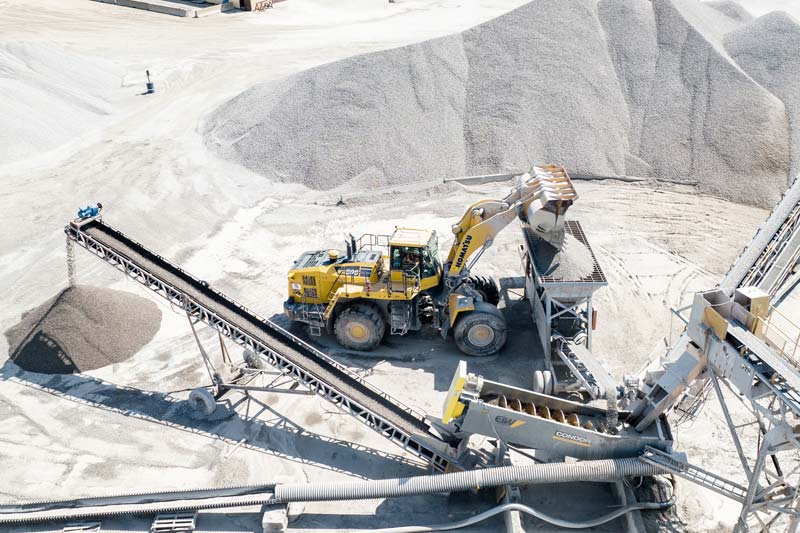
You can trace a ton of aggregate from our face to your mat. We plan the blast, crush to target sizes, verify the material in the lab, and load out with real time inventory controls. At the asphalt plant, consistent stone supports stable mix temperatures and uniform coating. On the grade, engineered base and accurate lift thickness allow our GPS equipped rollers to achieve density efficiently. This is how we reduce variability, prevent segregation, and deliver a smoother profile on long interstate pulls and high traffic commercial sites.
If you are planning construction in Bowling Green KY or across south central Kentucky, our vertical integration provides a single source of responsibility for materials and haul scheduling. It is the best process for the best result.
Rutting resistance and smoothness, the practical levers you control
Better inputs equal better outcomes. That clarity is how you manage lifecycle cost.
What is quarry blasting, and is quarry drilling safe?
Quarry blasting is a planned energy release that fractures rock so it can be loaded and processed. We design each blast with licensed blasters, engineered hole patterns, and precise timing. Quarry drilling is the step that creates boreholes for explosives. Both activities follow strict state and federal safety standards, documented procedures, and daily inspections. Blasting seismographs monitor vibration and air overpressure at the property line and nearby structures. With modern timing and burden control, energy stays in the rock mass where it belongs.
Does quarry blasting damage homes?
Properly designed and monitored blasts do not damage homes. Regulatory limits for vibration and air overpressure are set well below thresholds known to cause cosmetic or structural damage. We place seismographs at representative points and keep records for each shot. Homeowners may feel or hear a blast, yet the measured vibration is typically lower than that of a passing truck. If neighbors have questions, we share monitoring data and pre blast communication so the community knows what to expect.
The three types of quarry, a quick overview
Quarries are commonly categorized by extraction method: open pit quarries mined from the surface, hillside or contour quarries that follow an exposed rock face, and underground quarries that access high quality stone with minimal surface footprint. We operate surface quarries with engineered benches, safe access, and controlled drainage, which supports efficient production and reliable gradation.
Pre bid checklist for aggregate submittals and delivery logistics
Use this list to tighten your specifications and protect your schedule.
Bring this list to your pre bid meeting to set expectations early and avoid change orders.
Community safety and transparency
We live where we work, so community safety is not an afterthought. Our teams communicate schedules with local officials, monitor blasts, and respond to questions quickly. If you want to see how a modern operation manages safety, quality, and logistics in practice, talk with our roadway engineering teams and tour our facilities. For owners near Bowling Green who want a direct line to a production team, our rock quarry Bowling Green KY location can route your questions to the right specialists and schedule a visit.
How vertical integration de risks schedules
Owning the quarry, the asphalt plant, the trucks, and the pavers allows us to anticipate and solve problems before they cost you time. If weather shifts, we adjust blast and crush schedules to feed the plant when your window opens. If your project needs a tighter mat or a different nominal maximum size, we modify screening and verify the new gradation in our lab. With GPS tracked hauling in Glasgow and intelligent compaction, we keep production moving and document density so you can close lanes on time.
Summary, a smoother road to lower lifecycle cost
When you control the rock, you control the road. Consistent source material, verified gradation, and tight hauling coordination deliver better compaction, stable mixes, and smoother rides. That combination resists rutting and reduces maintenance, which lowers your lifecycle cost. If you are planning an interstate overlay or a commercial site with tight schedules, partner with a team that integrates quarry operations, testing, logistics, and paving into one accountable workflow. We are ready to review your plans, share data, and schedule materials so your project finishes on time and performs for years.