Cold months do not have to stall your paving program. With the right planning, you can protect quality, keep critical projects moving, and set up faster spring resurfacing. This guide gives Kentucky municipalities and developers clear thresholds for when to pave, which mix to choose, how far you can haul hot mix, compaction targets, and when to pause vs. proceed. It also explains how Scotty’s GPS-equipped fleets, route optimization, and plant coordination protect temperatures and density during winter windows.
When is the best time of year to install asphalt?
For long-term performance, the best window is mid fall in Kentucky, when days are cool and dry. Surface and air temperatures typically sit in the 50s to low 70s Fahrenheit, which lets mix retain heat long enough to achieve density and bond to the tack coat. Spring is the next-best season, once overnight lows climb and precipitation moderates. Summer is workable, but high heat can accelerate cooling at the surface due to wind and cause mat tearing if not managed carefully.
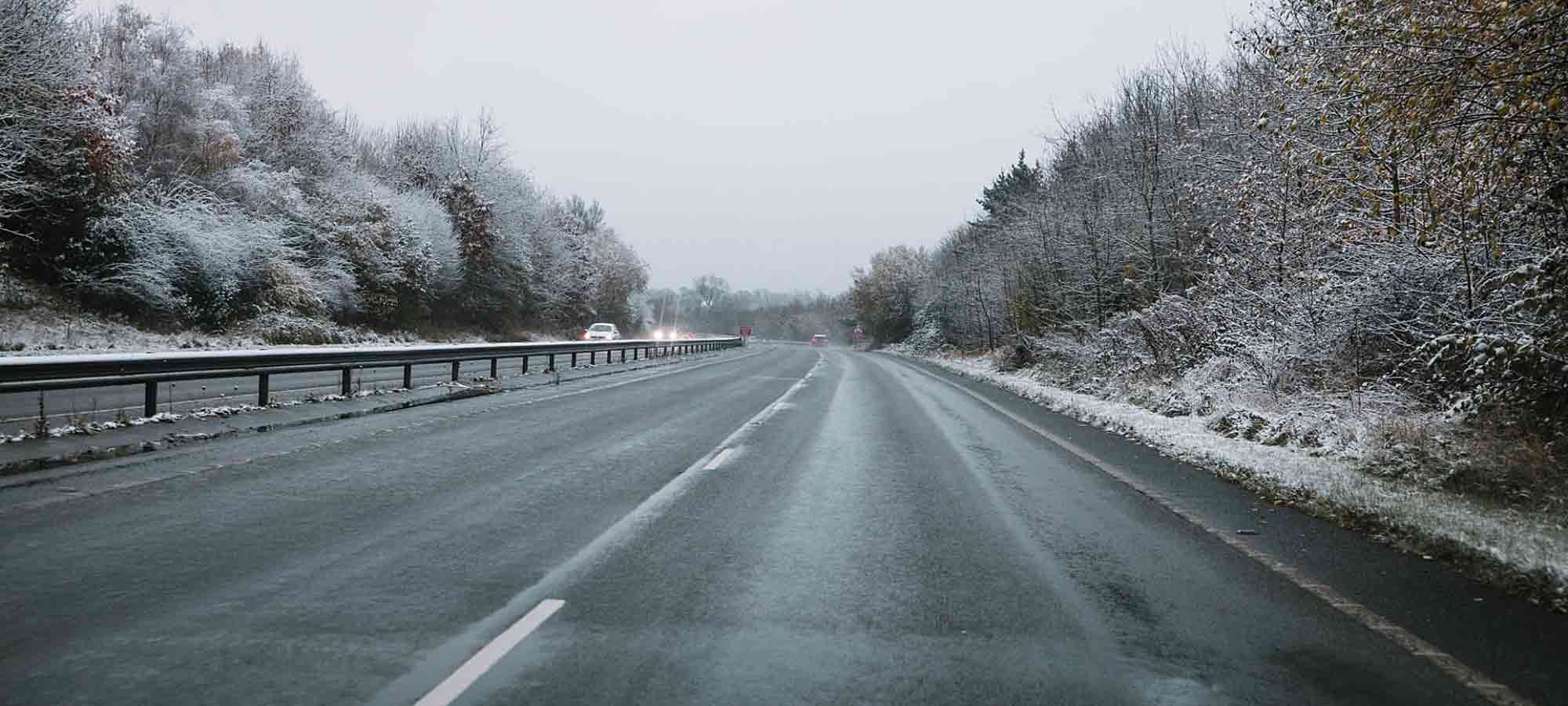
You can place asphalt in late fall, winter, and early spring when you plan for temperature, haul time, and lift thickness. The key is managing thermal loss from plant to paver, then locking in density before the mix cools below compaction thresholds.
Temperature thresholds that matter
Your engineer and plant should confirm project-specific thresholds, since polymer-modified binders and RAP or RAS content can shift recommended windows.
Hot vs. cold mix in winter, and which is better?
How far can you haul hot mix asphalt?
Hauling distance is a function of time and temperature loss, not just miles. In practice, workable windows typically support 30 to 60 minutes from load to laydown for winter paving. Warm mix and insulated bodies can extend that window. Scotty’s uses GPS-tracked fleets to route trucks efficiently, synchronize plant output with paver speed, and stage arrivals so each load hits the screed within the compaction window. Shorter hauls are always preferable in cold months, but when longer trips are required, warm mix and tighter dispatch keep temperatures in spec. If you need local material supply this season, our team can coordinate as a hot mix asphalt supplier in Glasgow.
Compaction targets and intelligent verification
Density drives pavement life. Most projects target 92 to 96 percent of maximum theoretical density for surface and binder courses, verified by cores or nuclear gauges. In winter, intelligent compaction helps you get there faster. GPS-enabled rollers monitor pass counts, vibration settings, and thermal maps so operators make the right pass at the right time. Scotty’s integrates live plant data, truck ETAs, paver speed, and roller feedback to reduce cold joints and variability. For project planning support, ask about intelligent compaction in Glasgow.
When to pause vs. proceed
Proceed when:
Pause when:
If you must hold a location over winter, prioritize cold mix stabilization to keep water out of the base and extend the life of your plan.
Does thicker asphalt last longer?
All else equal, yes. Thicker lifts retain heat for better winter compaction, and they provide more structural capacity and fatigue resistance under traffic. Thickness is not a substitute for base quality or drainage though. Your design should confirm that the base is sound, cross slope is correct, and curb reveal is protected. In some cases, milling is required before placing a thicker overlay.
How long will hot mix asphalt last?
Service life depends on traffic loading, drainage, and maintenance. Well designed and compacted hot mix can provide 12 to 20 years for municipal streets and longer for lower-speed facilities with good drainage. Preventative treatments, timely crack sealing, and surface preservation can extend life significantly. Poor density or segregation shortens life, which is why winter compaction planning is critical.
How does an overlay work, and when is milling required?
An overlay installs a new asphalt lift over an existing surface after cleaning and applying tack coat. It seals, smooths, and increases structural capacity when the base and profile are sound. When grades, ruts, or reflective cracking are present, selective or full-depth milling removes distress and resets profile before placement. If you are evaluating surface treatments ahead of spring, our team provides mill and overlay services in Bowling Green that align mix design, tack application, and compaction with your schedule.
Winter punch list to get a head start on spring
How Scotty’s protects quality in cold weather
Summary
Winter paving can succeed when you respect temperature thresholds, choose the right mix, and coordinate plant, trucking, and field crews as one system. Hot mix delivers the longest service life, warm mix expands your workable window, and cold mix keeps damage from spreading until permanent repairs are possible. Thickness helps, but base quality and drainage still rule performance. When you are ready to plan overlays or winter patches, Scotty’s aligns engineering, GPS-tracked hauling, and intelligent compaction to guarantee quality across the route from quarry to roller. If you are scheduling an early spring mill and fill, explore our mill and overlay services in Bowling Green, or connect with our team to coordinate supply as a hot mix asphalt supplier in Glasgow and leverage intelligent compaction for documented density.